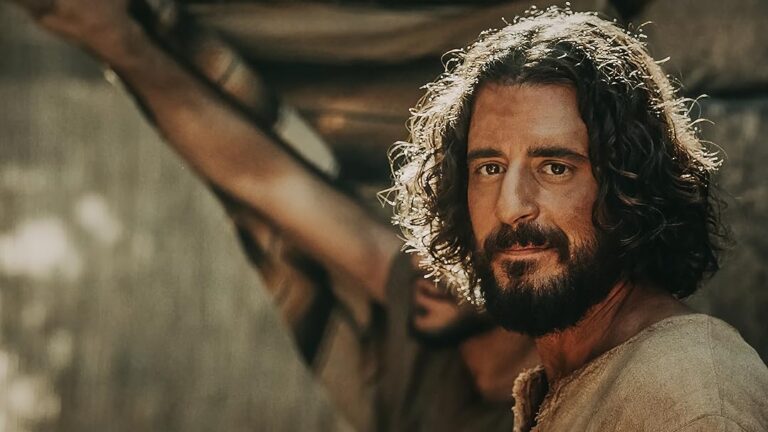
There’s no debate that the current state of television and film has left global audiences wanting. In what feels like the most disastrous period of an artistic drought, I found myself searching through the archives of Hollywood cult classics and decided to watch Gilmore Girls for the first time and well… I was amazed.
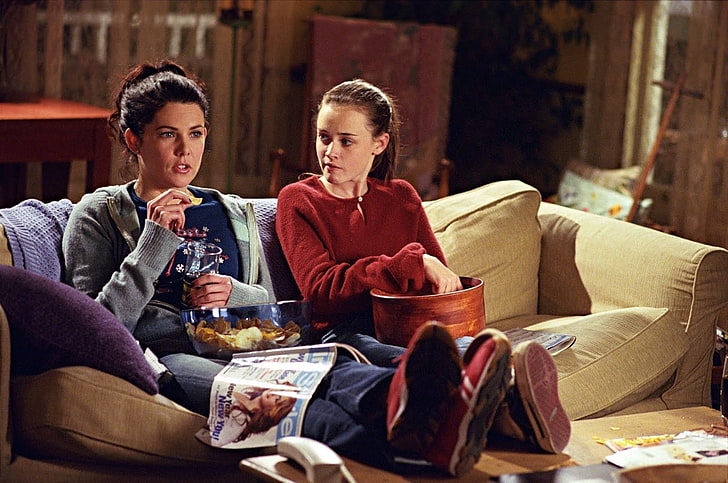
The first episode alone was enough to transport me back to the nostalgic days of my childhood where my best friend was our television. I grew up watching a myriad of entertainment. As a child, Disney Channel and Cartoon Network were my favourites. I used to also watch reality TV with my mother and out of all the shows we watched I can still recite some iconic lines from the Real Housewives of Atlanta. To say the least, I was not just impressed by Gilmore Girls but entirely hooked. The show is a pop cultural phenomenon that discusses deeper themes such as the conflict between non-traditional and traditional family structures, womanhood, adolescence and mother-daughter relationships.
Without spoiling too much, Gilmore Girls is a drama series set in the fictional town of Stars Hollow in Connecticut. It follows the lives of mother and daughter, Lorelai (32) and Lorelai (Rory) Gilmore. The story explores the relationship between the pair, Lorelai, the witty and headstrong mother and Rory, the teen who is just as headstrong but ultimately trying to figure things out. Gilmore Girls feels like an honest depiction of human life; complicated, exhilarating and so very simple.
Gilmore Girls is more than its social commentary; it’s a relic of a time when Hollywood entertainment felt abundant and reliable. We lived through a golden age of franchises, moving from the Twilight Saga straight into The Hunger Games and then the peak of the MCU. TV seasons actually felt like seasons, running for 20+ episodes and anchoring our schedules for months at a time. Now, in an age of ‘limited series’ and fragmented releases, I worry we’re forced into a defensive kind of open-mindedness just to find the genius in what’s being produced.
The tragedy of Hollywood’s attempt at adding a modern spin to everything is that they are not just making inferior art, they are making less of it as well.
The proof is in all the blogs, articles and YouTube videos holding up a mirror at a stubborn Hollywood.
- Andrew Gumbel for the Guardian penned an article titled: “Not the charmed industry it once was’: can Hollywood find its comeback story?”
- Daniel Bessner for Harper’s Magazine wrote an article: “The Life and Death of Hollywood. Film and television writers face an existential threat”
- The New York Times wrote about TV productions leaving Hollywood in the article: There’s a Feeling We’re Not in Hollywood Anymore
- Michael Girdley broke down the evolution of Hollywood in his YouTube video: The rise and fall of Hollywood: How it all fell apart
- FRANCE 24 English published a YouTube video titled: Hollywood on the brink: The end of an era for the movie capital of the world?
Jason Hellerman made an excellent point when he said, “A healthy Hollywood is very good for the movie and TV industry worldwide. It makes the box office money and trickles down into jobs for cast, crew, writers, directors, producers and every other job on set.”
A healthy Hollywood should be the goal. However, it would involve a series of improvements that would probably be considered too offensive for this era. But I can’t help but feel nostalgic about those wholesome days of peak film making. Television shows and movies used to penetrate into the heart of its viewers. This was how the film industry achieved “brand loyalty”. A good quality story and a famous face was enough to convince us to go to the theaters.
The OC, Scrubs coupled with a few Cartoon Network classics were an immense source of comfort for me growing up. They fed my overactive imagination and underdeveloped psychology with dreams of being an artist and recognising how blessed I was to have a loving mother to guide me through adolescence like Rory Gilmore.
Nonetheless, I am glad I finally gave Gilmore Girls a chance. It revived my love and hope for the film and television industry. It might still be too early to say this, and I might be wrong, but Hollywood can only go up from here.