Abstract
This article aims investigates Roof of Africa, a Hard Enduro Event, as a strategic case study in Small Scale Sport Tourism (SSST) within a developing nation context. While global attention is always directed at mega events, recent literature suggests that recurring niche events offer a more resilient economic model for emerging economies. This study evaluates the impact Roofnof Africa has on three critical lenses: economic, socio-cultural and environmental.
This article discloses that the event acts as a significant economic catalyst, generating M5 million (maloti) in direct annual injection and fostering destination loyalty among tourists. Socially, the event successfully leverages Lesotho’s unique heritage to enhance community pride and social participation. However, growth can also present environmental challenges, specifically soil erosion in the fragile Maloti Mountains, necessitating the need for sustainable approaches in the structure of the event. This article concludes that the recent changes in the management of the event to the Lesotho Off-Road Association (LoRA), coupled with endorsement by political figures, positions Roof of Africa as a sustainable national asset that balances commercial viability with environmental stewardship.

Introduction
While the world often focuses on the massive infrastructure of mega-events, recent academic research suggests that Small-Scale Sport Events (SSSE) offer a more sustainable economic model for developing regions when integrated effectively into the local cultural heritage. In contrast, one-off mega events such as the FIFA World Cup or the Olympics don’t offer the same kind of security that a recurring event like Roof of Africa promises. Roof of Africa highlights the benefits of prioritising SSSE’s over one-off mega events which include long-term destination loyalty.
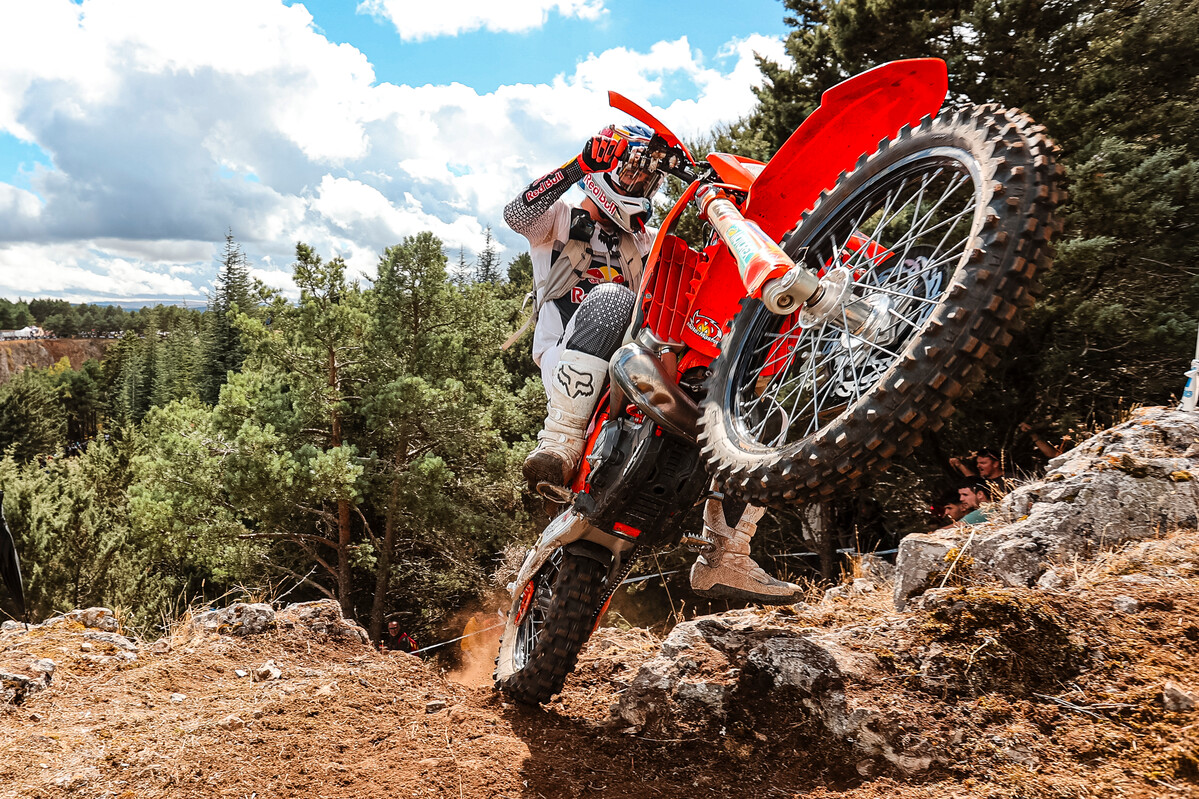
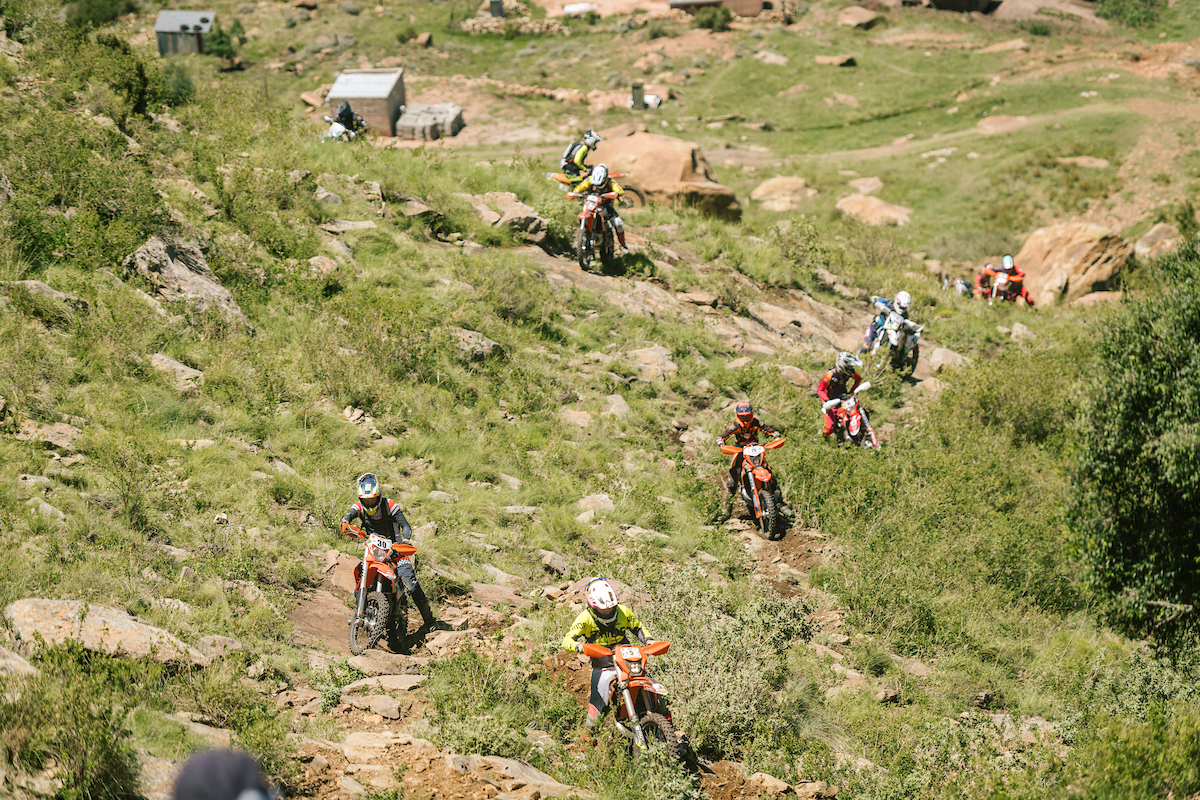
Roof of Africa is a Hard Enduro event (off-road motorcycling endurance race) that occurs in the Maloti Mountains of the Kingdom of Lesotho (southern Africa). In 2025 the event was chose for the first time to close the global Hard Enduro World Championships (HEWC) series. The inclusion of Roof of Africa into the HEWC calendar was made by the International Motorcycling Federation (FIM). Consequentially, this has now elevated the event to a globally sanctioned world championship finale, placing Lesotho in the mix of the world’s toughest motorcycling racing circuit.
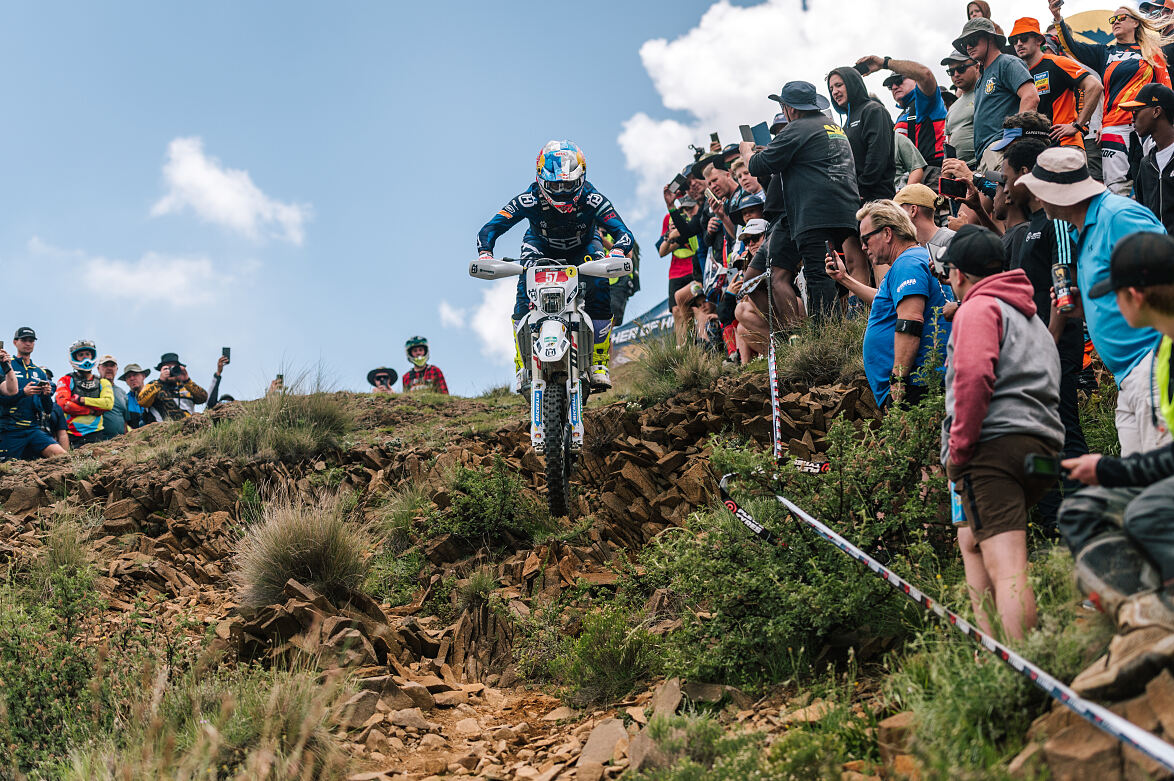
Roof of Africa was founded by Bob Phillips who was working as a roads engineer in Lesotho at the time and he approached the Sports Car Club in Johannesburg to run a race over “the worst roads in the world”. It was only in 1969 when motorcycles started competing against cars and eventually the event split into two categories. Later on in 2000, the controlling federation dropped the car racing category. The event attracts approximately 400-500 competitors annually with riders from over fifteen nations including Hard Enduro World Champions. Spectators range within the thousands and are a mix of international support crews, tourist and local communities.
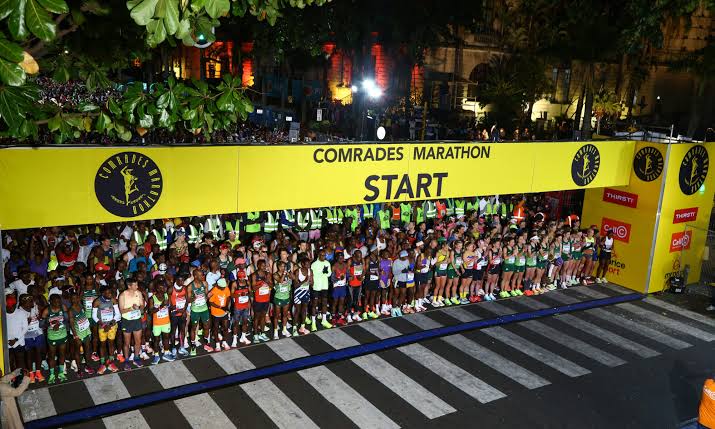
Roof of Africa is labelled the Mother of Hard Enduro because of its challenging terrain and high altitude, ranging from 1400m to over 3000m above sea level. The event takes place across 3 days, features a street race in Maseru, time trials and two days of extreme mountain navigation. Before selecting a class, riders must honestly assess themselves against five key factors: Fitness Level, Mental Endurance, Riding Skills & Technique, Experience and Vasbyt (South African term for grit or perseverance). This helps to distinguish the kind of medal a rider will receive after the race. In accordance to the result of the assessment, riders may select a class to compete in: Gold Class is for World-class Professionals, Silver Class is for extremely fit riders aiming for Gold Class in the future, Bronze Class is for skilled riders testing their limits and Iron Class is for entry level riders and hobbyists.
Roof of Africa has undergone a significant shift with the Lesotho Off-Road Association (LoRA) taking over as primary custodian since its split from the former promoters, Live Lesotho. LoRA is determined to ensure the continuity of the event in the HEWC’s global calendar but also to transform it into a top-tier global sporting event. Additionally, there is a high level of political support from Lesotho’s current Prime Minister, Samuel Ntsokoane Matekane, who has been known to participate in the now dissolved car racing category of the event. Furthermore, the Ministry of Tourism actively leads proceeding related to Roof of Africa, signalling a strong national policy support for sports tourism.
For this reason, the objective of this article is to analyse the economic, socio-cultural and environmental impact of Roof Africa, a major Hard Enduro event, as a sport tourism case study.
Economic Impact
Sport events act as a catalyst for broader tourism development (Teixeira et al., 2023). For Lesotho, this means the race isn’t just about the weekend revenue, it forces the development of infrastructure (hotels, roads etc.) which benefit the economy and local communities all year round. Roof of Africa is locally known as the “Rainmaker” as a result of all the economic prosperity it brings to Lesotho. Lesotho Tourism Development Corporation (LTDC) representative Manchafalo Motšoeneng explained that, “The economic relevance of the Roof of Africa rally cannot be overlooked. Each year, thousands of spectators from different parts of the world come to witness the spectacular race, generating millions of maloti for the country’s hospitality and service sectors,” (Mahao, 2025). The Lesotho Tribune reported that Roof of Africa had injected an estimated M5 million (maloti) into the local economy during the event week in 2024 (Letsunyane, 2025). It drives full occupancy at hotels, lodges and guesthouses, also stimulating an informal economy which benefit street vendors and other small service providers who sell food and souvenirs to spectators (Motsoari, 2025).
Rangkuti et al. (2025) highlights that sport tourism is shifting towards an active experiential travel. Roof of Africa markets Lesotho as not just a race venue but as an adventure destination, attracting foreign capital and repeat visitors who value authentic outdoor experiences over luxury. In addition, the event occurring in the Maloti Mountains means that no arenas have to be built at massive costs and more money can be directed into community well-being. LoRA’s Chairperson, Mopeli Ntabe, revealed, “Our primary goal is to grow the economy and trade within Lesotho through the Roof of Africa,” (Mahao, 2025).
Social & Cultural Impact
Roof of Africa integrates successfully into the local culture because it does not ignore it. Rangkuti et al. (2025) explicitly links sports tourism and cultural heritage as an effective collaboration which prevents the commercial dilution of the destination’s identity. In fact, the event leverages Lesotho’s identity as the Kingdom in the Sky. The official site draws a parallel between Lesotho’s mountainous features and the fictional nation of Wakanda from the Black Panther film, noting that the film’s aesthetics like the Basotho blanket were inspired by local culture. Moreover, there is a growing push for more local Basotho riders to compete, rather than just hosting international professionals. This fosters social cohesion, national pride and increased investments into the development of Hard Enduro athletes in Lesotho.
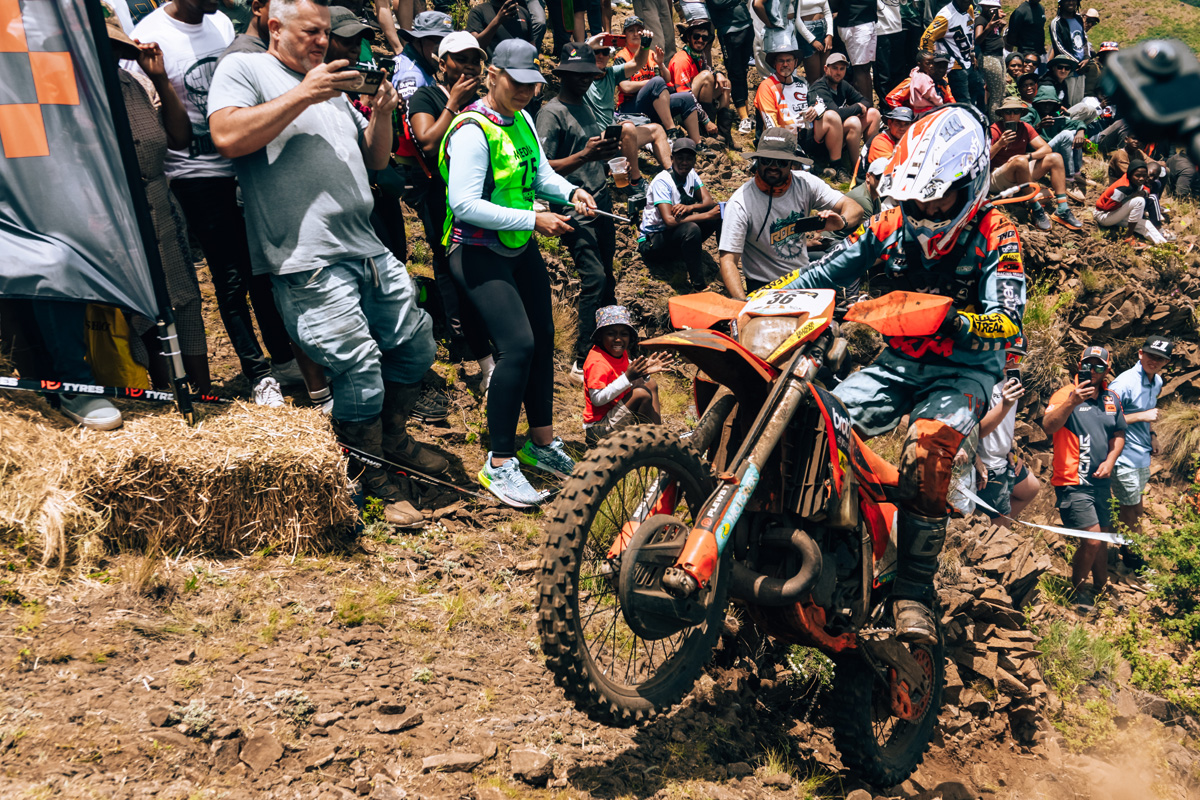
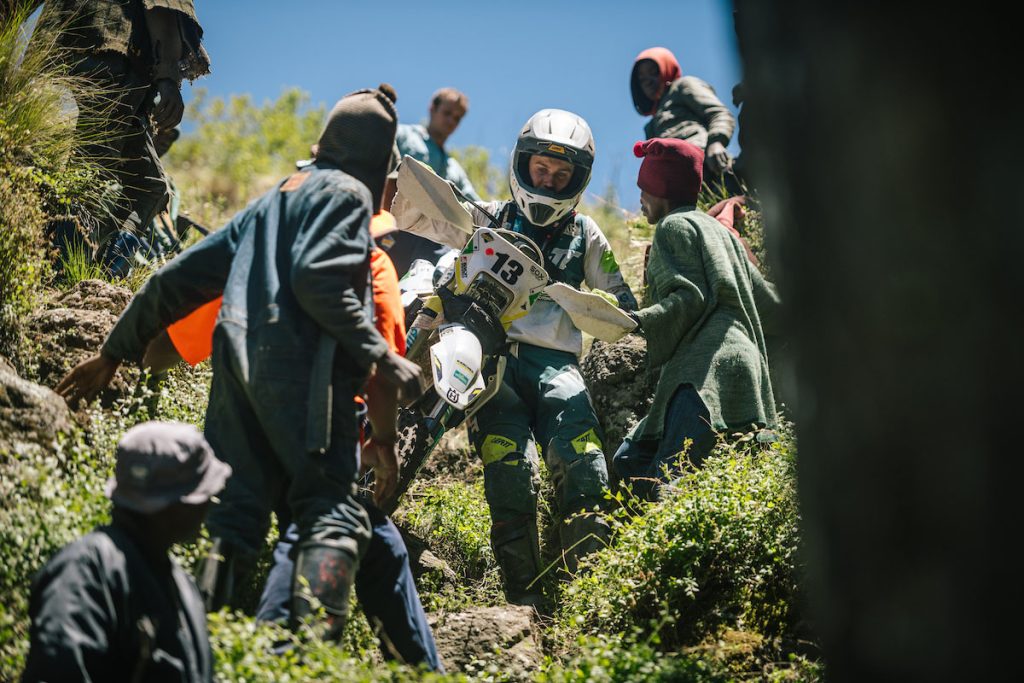
The residents perception of a sport event is often linked to how the quality of local life is improved by it (Vetitnev et., 2015). Roof of Africa achieves that not only through social cohesion but increases employment opportunities which benefit the locals and grants them a social license to operate. Moreover, community empowerment through social participation is a key driver for this aspect. If the Basotho community feel some sense of ownership over the event, whether that is through its organisation or the participation of Basotho riders, this becomes an even greater tool for social cohesion rather than just an event for foreign athletes.
Environmental Impact
Roof of Africa operates in a fragile alpine environment characterised by high altitudes wetlands and grasslands. The organisers include Riding Responsibly information on the official Roof of Africa website where competitors must adhere to strict GPS routes to avoid damaging sensitive vegetation or disturbing rural farming activities and communities (Riding Responsibly – the Roof of Africa, n.d.). The sustainability framework of the event consists of penalties for environmental negligence with the aim of creating balance between sustainability and extreme sport. Tsekouropoulos et al. (2022) referred to this strategy as a Sustainability Balanced Scorecard where sporting events have more than just economic goals but an environmental scorecard that measures soil erosion, noise pollution etc. This ensures that the natural assets that the sport relies on are not destroyed. On this aspect LoRA still has lot to improve to ensure longevity of the event in the country.
Conclusions
The analysis of Roof Africa demonstrates that SSSE’s can serve as powerful engines for economic development. To be integrated successfully within the local culture, they must align with sustainability efforts that ensure the longevity of the sport within the region.
From an economic perspective, the event functions as a “Rainmaker” for Lesotho. Beyond the reported M5 million injection during the race week, it serves as a long-term destination marketing tool, validating that sports events serve as catalysts for broader tourism development. Roof of Africa transforms the challenging terrain of the Maloti Mountains into a globally competitive tourism product, driving infrastructure improvements that benefit the broader economy.
Socially, the event has evolved from a foreign dominated race into a source of national cohesion by integrating the Basotho culture and more local participation. The event localises its product instead of superiorising itself like once-off mega events. Furthermore, The active involvement of political figures such as Lesotho’s Prime Minister and the Ministry of Tourism cements Roof of Africa as a pillar of national identity.
However, the environmental analysis exposes a critical tension. The sustainability of the event rests on a fragile balance between exploiting the landscape for sport and preserving it for future generations. Roof of Africa enforces strict riding policies and GPS routes that serve to ensure the preservation of the natural assets, the Maloti Mountains, that the event relies on.
Ultimately, the transition to the new era under LoRA marks a maturing of the event. By shifting from a purely profit driven model to one that emphasises local stakeholder engagement and commitment. Roof of Africa stands as a successful, replicable model for sport tourism in the developing world.
References
Enduro21. (2023, June). LORA 100% committed to the Roof of Africa. https://enduro21.com/en/racing/latest/hard-enduro-world-championship/lora-100- committed-to-the-roof-of-africa-2023
FIM Africa. (2023, February 28). A new era for the Roof of Africa. https://fim africa.com/2023/02/28/a-new-era-for-the-roof-of-africa/
IOL. (2011, February 21). Exploring the Roof of Africa. Independent Online. https://iol.co.za/travel/2011-02-21-exploring-the-roof-of-africa/
Mahao, S. (2025, November 17). The Roof adopts new global status. Newsday. https://newsdayonline.co.ls/the-roof-adopts-new-global-status/
Motsoari, M. (2025). Time for the Roof of Africa [Status update]. Facebook. https://www.facebook.com/makhetha.motsoari.3/posts/time-for-the-roof-of-africa-roof of-africa-boosting-lesothos-economy-every-year-/10231591621959804/
Roof of Africa. (n.d.). The Mother of Hard Enduro. Retrieved December 12, 2025, from https://theroofofafrica.com/lesotho/
Riding responsibly – the roof of Africa. (n.d.). https://theroofofafrica.com/riding responsibly/
Saner, R., Yiu, L., & Lee, M. R. (2015). Lesotho, a tourism destination: An analysis of Lesotho’s current tourism products and potential for growth. In Handbook of Research on Global Hospitality and Tourism Management (pp. 20-45). CSEND. https://www.csend.org/images/articles/files/Lesotho%2520tourism.pdf
Emami, A., Javid, M., Moharamzadeh, M., & Imanzadeh, M. (2023). Exploring the factors affecting sports tourism destination image. Sports Business Journal, 3(3), 67–88. https://faslname.msy.gov.ir/article_382.html?lang=en
Heebkhoksung, K., Rattanawong, W., & Vongmanee, V. (2023). A new paradigm of a sustainability-balanced scorecard model for sport tourism. Sustainability, 15(13), 10586. https://doi.org/10.3390/su151310586
Perić, M. (2018). Estimating the perceived socio-economic impacts of hosting large-scale sport tourism events. Social Sciences, 7(10), 176. https://doi.org/10.3390/socsci7100176
Rangkuti, Y. A., Bangun, A. K., Kurniawan, R., Ilham, Z., Hasibuan, S., Tambunan, T. M. B., & Silitonga, D. F. (2025). Cultural heritage and sports tourism: A systematic literature review of sustainable destination management practices. Frontiers in Sports and Active Living, 7, 1680229. https://doi.org/10.3389/fspor.2025.1680229
Teixeira, M. C., Carvalho Júnior, A., & Sesinando, A. D. (2023). Sport events as a catalyst for economic, sociocultural, tourism and environmental sustainability in Portugal. In Sport Management in the Ibero-American World (pp. 289–305). Routledge. https://doi.org/10.4324/9781003388050-20
Valinejadi, A., & Amini, M. (2023). A study on the relationship between social capital and social health (Case study: Youth in Khorramabad City). Strategic Studies on Youth and Sports, 19(48), 197–218. https://www.sid.ir/paper/1403378/en
Vetitnev, A., & Bobina, N. (2018). Residents’ perception of the 2014 Sochi Olympic Games: Comparison of pre- and post-impacts. International Journal of Sport Management and Marketing, 18(6), 453–477. https://doi.org/10.1504/IJSMM.2018.095225
Yang, J.-J., Lo, H.-W., Chao, C.-S., Shen, C.-C., & Yang, C.-C. (2020). Establishing a sustainable sports tourism evaluation framework with a hybrid multi-criteria decision making model to explore potential sports tourism attractions in Taiwan. Sustainability, 12(4), 1673. https://doi.org/10.3390/su12041673